Oral Hygiene
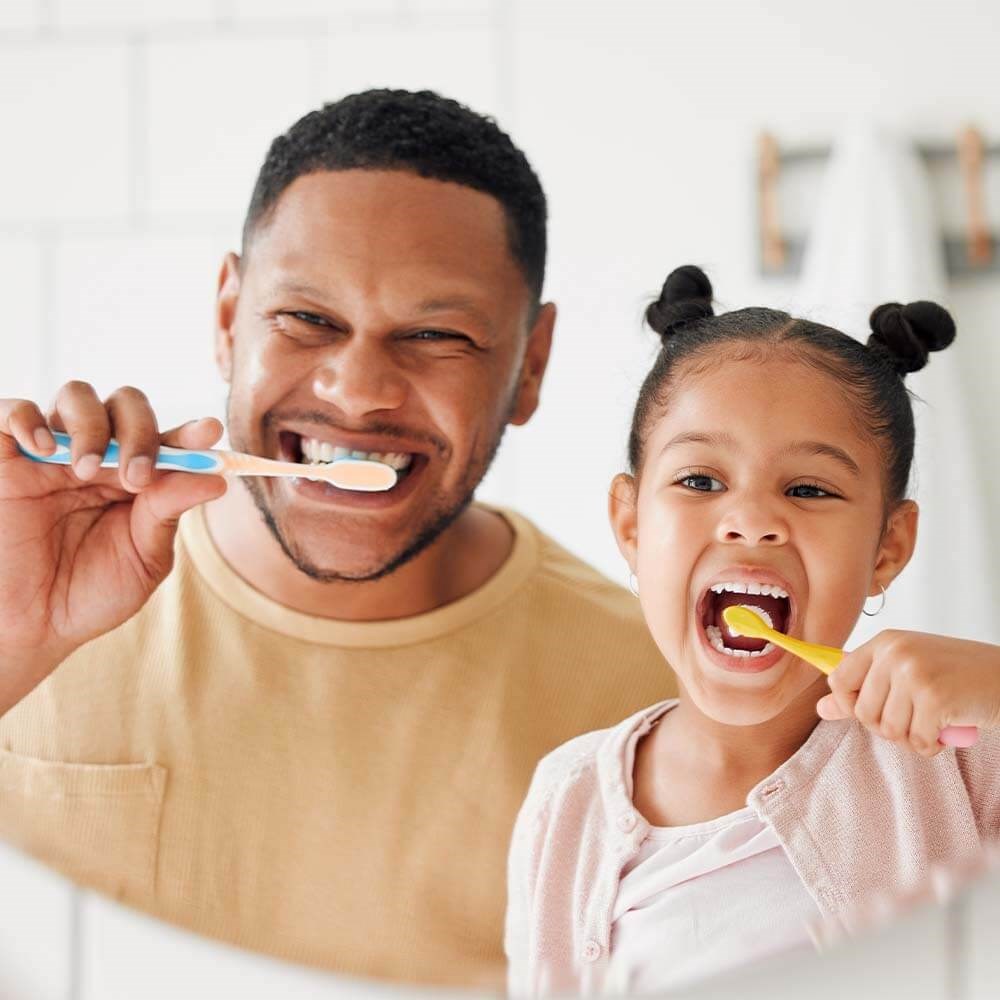
Caring for Your Teeth with Braces
Good oral hygiene is key to a healthy smile, but it’s even more important once you have braces. With the addition of brackets, wires, and bands on your teeth, there is even more to care for with the added challenge of cleaning in and around all of the hard-to-reach spots. Using the correct brushing and flossing regimen is crucial to maintaining healthy teeth and gums. Dr. Bailey wants you to practice the best oral hygiene techniques, so read more below.
Brushing
When brushing your teeth, be certain to brush between the brackets and gums as there are many places food can get stuck in an appliance. Use a soft brush, fluoride toothpaste, and follow these steps:
- Beginning with the outside of the teeth, brush at a straight angle using circular, vibrating motions.
- Still using a circular motion, angle the brush down to clean the upper row of teeth between the gums and braces, and angle it up to clean the lower row of teeth between the gums and braces.
- To finish the rest of the outside of the teeth, use the same technique, but angle up for the upper row of teeth and down for the lower row of teeth.
- Clean the chewing surface by carefully brushing both the upper and lower rows with a back-and-forth motion.
- To finish, angle the brush downwards to brush the inside of the lower teeth and upward to brush the inside of the upper teeth.
Flossing
Remember to floss at least once a day. In order to get between the archwire and the teeth, use a floss threader. Follow these steps:
- Beginning with the outside of the teeth, brush at a straight angle using circular, vibrating motions.
- Still using a circular motion, angle the brush down to clean the upper row of teeth between the gums and braces, and angle it up to clean the lower row of teeth between the gums and braces.
- To finish the rest of the outside of the teeth, use the same technique, but angle up for the upper row of teeth and down for the lower row of teeth.
- Clean the chewing surface by carefully brushing both the upper and lower rows with a back-and-forth motion.
- To finish, angle the brush downwards to brush the inside of the lower teeth and upward to brush the inside of the upper teeth.
Rinsing
After brushing and flossing, always rinse your mouth with water or antiseptic dental rinse. A mouth rinse helps remove debris, cleanses minor wounds, and enables natural healing.
Interdental Toothbrush
An interdental toothbrush, also known as a proxabrush, is a very useful tool to help keep your mouth clean and healthy when you have braces. You can use the small brush to clean in the hard-to-reach areas such as under the archwire or around the brackets. Be careful when using the interdental toothbrush so as not to damage your braces.
Retainer Care
Just like your teeth, retainers can accumulate food particles and plaque, so it’s important that you brush your retainer every time you brush your teeth. To help prevent build-up and oral infections, soak your retainer in a glass of room temperature water with a denture-cleaning tablet at least once a day. Do not use hot water, which can warp your retainer.
Foods to Avoid
When you first get your braces on or after you have them tightened, your teeth can be a little sore, so we recommend a soft food diet during these times. But you can eat most other foods with the following guidelines:
- Cut chewy foods into smaller, bite-size pieces
- Eat sliced vegetables and fruit
- Avoid sticky foods: bubble gum, jelly beans, and sticky fruit snacks
- Avoid hard, crunchy foods: hard candy and peanut brittle
- Limit sugary foods: sweets and soft drinks that can cause tooth decay under the appliances

